Beyond the March: What May Day Reveals About America’s Power Struggle
protest.jpg
The Context of Modern May Day Demonstrations
A recent broadcast segment featuri
Beyond the March: What May Day Reveals About America’s Power Struggle
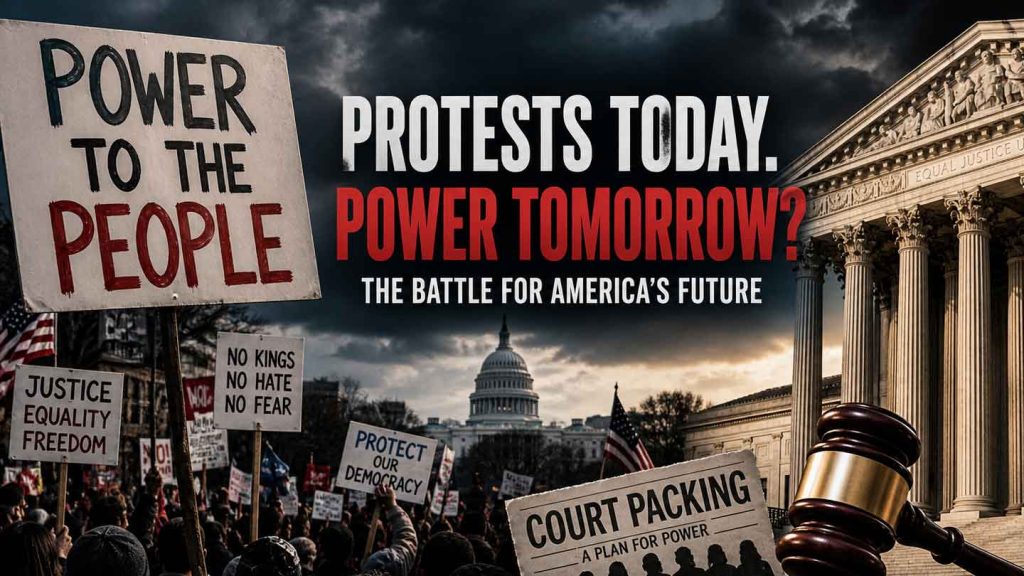
Political commentator Laura Ingraham has reignited discussion around modern protest movements, political influence, and the broader ideological divide shaping public discourse in the United States. The segment, which aired on The Ingraham Angle, used May Day demonstrations as a focal point to critique contemporary activism and raise questions about political strategy, civic engagement, and institutional power.
Evolving Meaning of May Day
May Day—traditionally associated with labor rights and worker solidarity—has, in recent years, evolved into a broader platform for political expression. According to the broadcast, this year’s demonstrations were framed as largely anti-Trump and reflective of ongoing tensions between progressive groups and conservative leadership. Ingraham characterized the protests as repetitive and lacking the momentum of past movements, suggesting they were driven by long-standing ideological agendas rather than spontaneous grassroots energy.
Historical Comparisons to Past Protests
The program drew historical parallels to large-scale demonstrations of the early 1970s, particularly protests against the Vietnam War. Those events, involving hundreds of thousands of participants, were portrayed as more unified and impactful. By contrast, the segment suggested that today’s protests appear fragmented and, at times, reliant on institutional or organizational support rather than organic participation.
Student Participation and Institutional Influence
One of the more controversial points raised involved the role of schools and unions in encouraging student participation. The broadcast referenced reports that some school systems facilitated transportation for students to attend demonstrations, sparking debate over whether such actions represent civic engagement or inappropriate political influence within education. Critics argue that involving students in protests can blur the line between education and activism, while supporters maintain that it fosters awareness and democratic participation.
Political Goals and Ideological Divides
The segment also examined the broader political goals attributed to progressive movements, including immigration policy, economic redistribution, and narratives surrounding social justice. According to the discussion, these initiatives are framed by critics as efforts to consolidate political power, while proponents view them as necessary reforms addressing systemic inequality. This divergence highlights a fundamental divide in how Americans interpret policy priorities and the role of government.
Debate Over Supreme Court Expansion
A significant portion of the conversation focused on the concept of “court packing,” or expanding the number of justices on the U.S. Supreme Court. Constitutional law professor Jonathan Turley, featured in the segment, explained that such a move could allow a political party to shift the ideological balance of the Court. He argued that this would not only influence future rulings but could also lead to the reversal of existing legal precedents on issues such as free speech, religious liberty, and voting rights.
Arguments For and Against Reform
Supporters of court reform, however, contend that expansion is a legitimate constitutional mechanism and a response to perceived imbalances within the judiciary. They argue that the Court has historically evolved and that changes could ensure it better reflects contemporary societal values. Opponents warn that such actions could undermine judicial independence and set a precedent for escalating political interference.
Conclusion: A Nation at a Crossroads
The debate over these issues underscores a broader question about the future of American governance: how to balance democratic responsiveness with institutional stability. Protests, legislative strategies, and judicial reforms are all tools within a complex political system, but their use often sparks intense disagreement about legitimacy and long-term consequences.
As the nation continues to grapple with these challenges, May Day demonstrations serve as a reminder of the enduring role of public activism in shaping political narratives. Whether viewed as a vital expression of democracy or as a reflection of deepening polarization, such events highlight the ongoing struggle to define the direction of policy and power in the United States.
#MayDayProtests #PoliticalDebate #USPolitics #SupremeCourt #CourtPacking #Activism #PublicPolicy #PoliticalPower #DemocracyInAction #NewsAnalysis
Tom Homan Warns “Justice Is Coming” for Those Funding Anti-ICE Protests